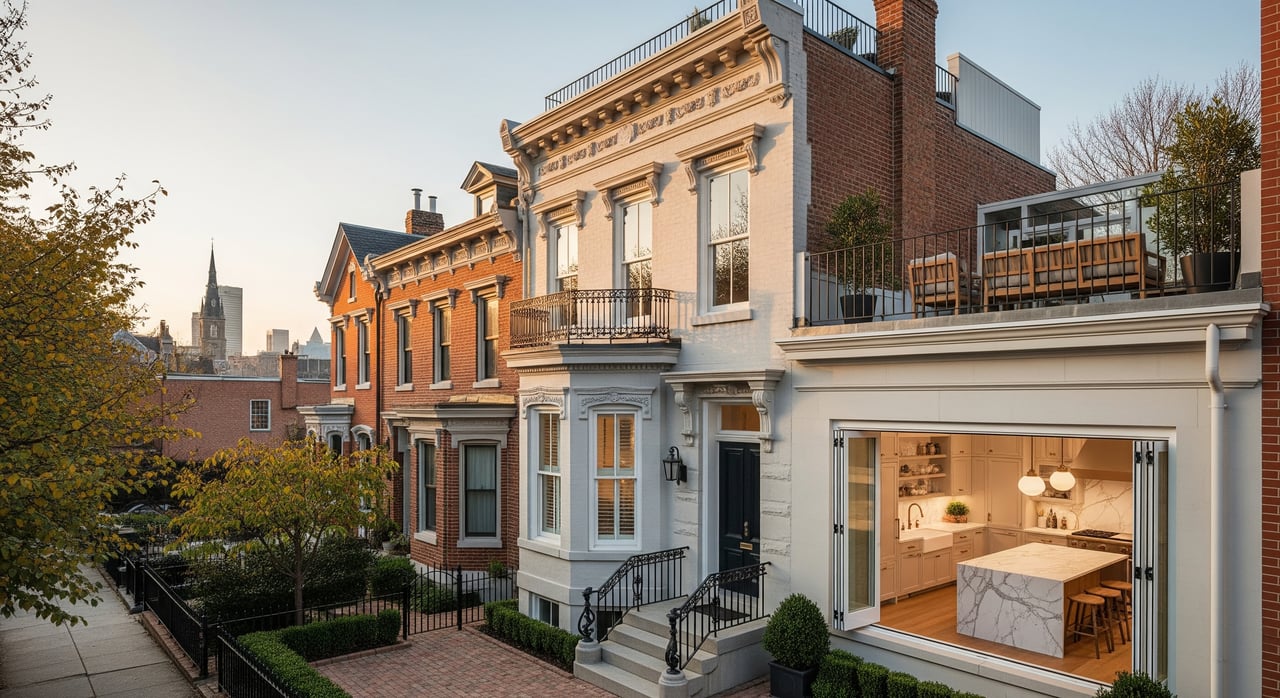
Thinking about a Hampden rowhouse and wondering what really matters to buyers here? You want the best of both worlds: historic character with modern comfort, plus smart ways to live well in a compact footprint. In this guide, you’ll learn the key features Hampden buyers prioritize, simple improvements to boost your sale, and local rules to keep in mind. Let’s dive in.
Why Hampden homes stand out
Hampden is a historic, walkable Baltimore neighborhood centered on 36th Street, known locally as The Avenue. The area offers independent shops, restaurants, and community events that make everyday errands and weekend plans easy on foot.
Most homes are late‑19th to early‑20th century rowhouses. Narrow frontages, shared party walls, front stoops, basements, and small rear yards accessed by alleys are common. These features shape what buyers expect and what upgrades are feasible.
Lots are typically narrow with limited off‑street parking. Basements often host utilities and storage, and some are finished living space. Ceiling height and moisture conditions vary by home, so clear documentation about upgrades and waterproofing goes a long way with buyers.
What buyers prioritize in Hampden rowhouses
Smart, flexible layouts
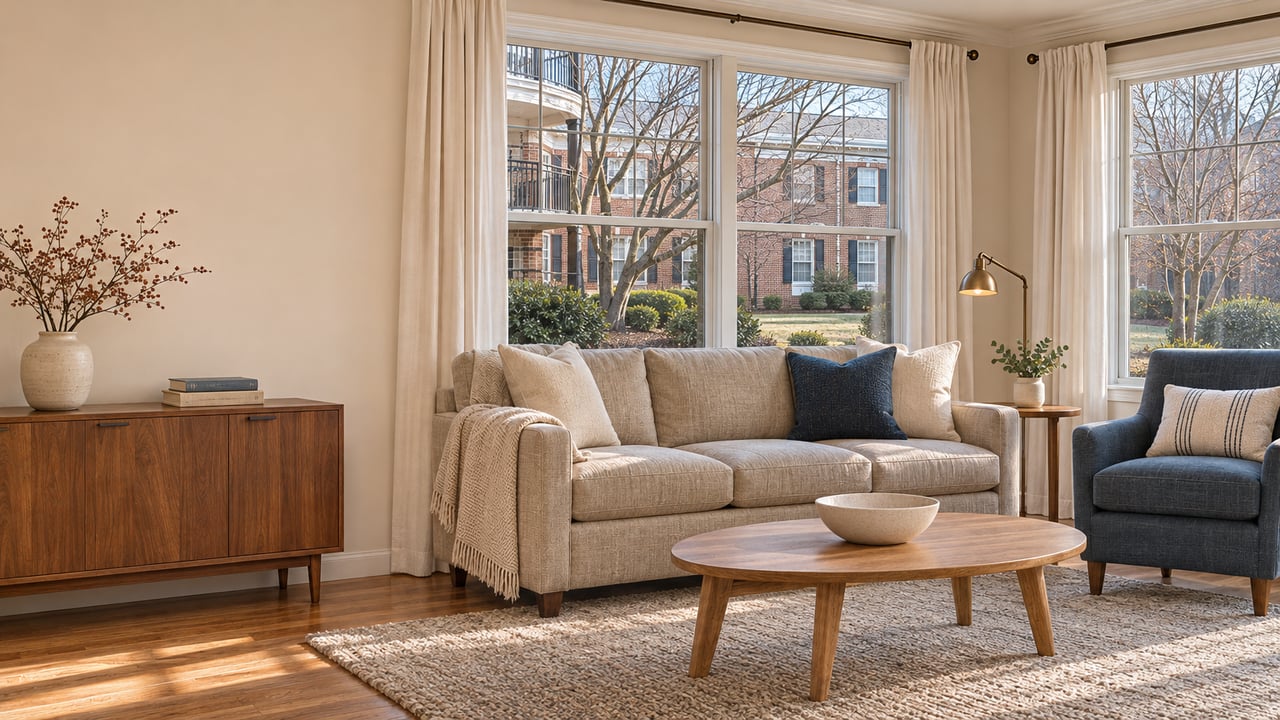
Open-feeling main floors are a top ask. Creating better sight lines between the kitchen, dining, and living areas helps a narrow rowhouse feel larger and brighter.
Flexible rooms win. A finished basement or attic conversion is attractive when it offers legal, comfortable living space with proper egress, finished baths, and reliable HVAC. Spaces that flex as a home office, guest room, or play area add real utility.
Storage and entry management matter. A small mudroom zone, added closets, and built-ins increase livability. A simple drop zone for coats, shoes, and bags makes daily life easier.
Updated systems and energy performance
Electrical capacity and safety rank high. Many buyers look for modern panels and clearly documented electrical upgrades. Transparent records reduce concern and speed decisions.
Reliable HVAC and water heaters are critical. Well-maintained systems or recent replacements are a plus. Energy-efficient options are appealing for comfort and long-term costs.
Leak‑free plumbing and dry basements save headaches. Visible signs that moisture issues were resolved and that foundation or drainage work was completed instill confidence.
Windows, insulation, and draft control matter in older homes. Double‑pane or well-restored windows, attic insulation, and air sealing can be selling points. For broader context on buyer trends and features that attract interest, explore the National Association of Realtors’ research snapshots on consumer preferences at the NAR research and statistics hub.
Safety items should be buttoned up before listing. Working smoke and CO alarms, GFCI outlets where required, and safe stair rails are baseline expectations.
Outdoor spaces that live large
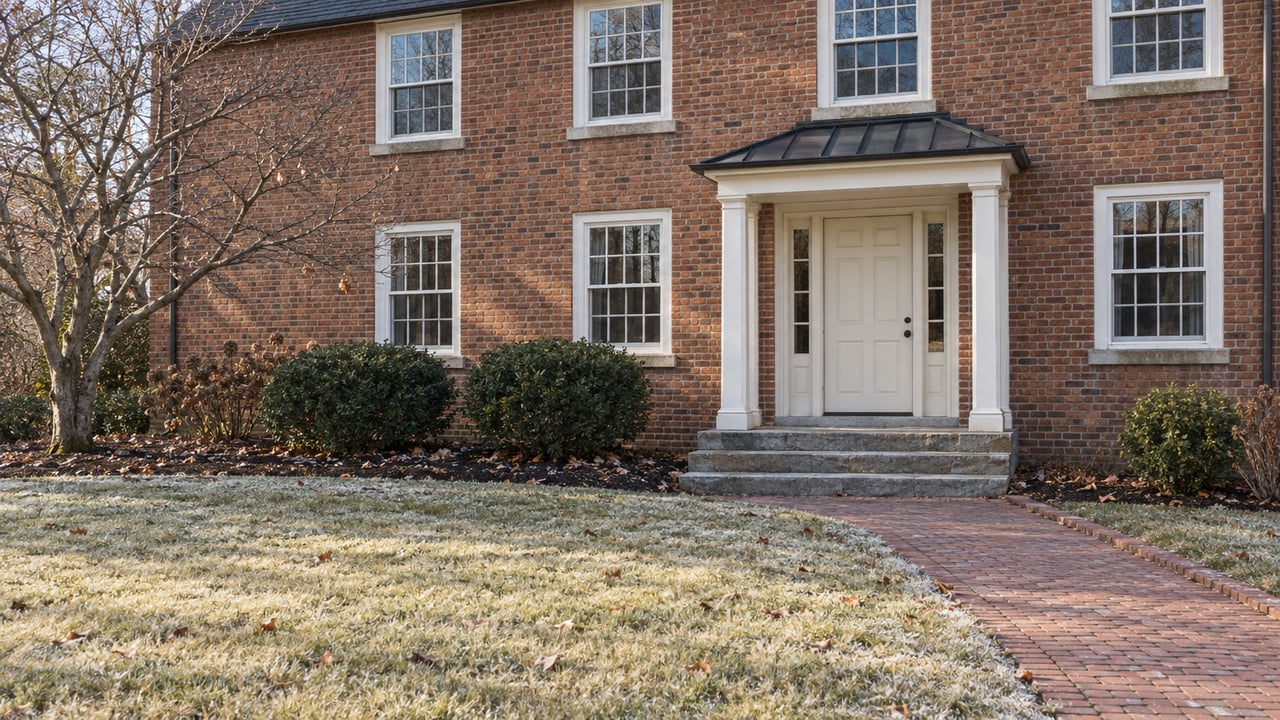
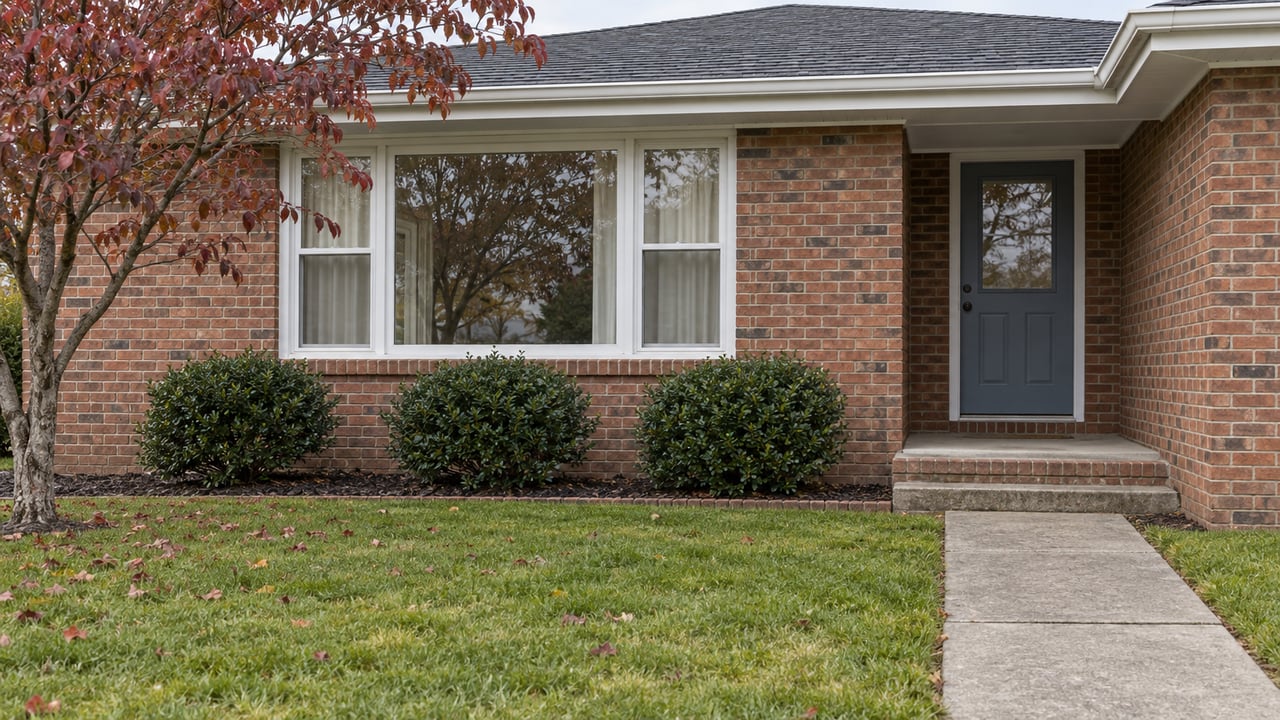
Front stoops and porches contribute to charm and curb appeal. A tidy, welcoming entrance fits Hampden’s pedestrian vibe.
Even small rear yards are prized. Buyers look for usable patios, a bit of garden space, and functional fencing. Easy alley access helps with trash, bikes, and storage.
Where feasible and code‑compliant, roof decks are highly desirable. They add outdoor living without requiring a larger yard. If you are considering exterior changes or additions that may be visible from the street, review guidance from Baltimore’s preservation commission, CHAP, and local preservation advocates at Baltimore Heritage before you plan.
Low‑maintenance landscaping helps. Simple plantings and durable materials reduce upkeep while improving first impressions.
Parking and access that work
Off‑street parking is a major value add. A rear garage or a properly permitted parking pad can set a home apart when curb space is tight.
On‑street realities are part of Hampden living. Some blocks participate in Baltimore’s Residential Parking Program. If you are evaluating a home, review the Residential Parking Program details from Baltimore City DOT to understand permits and restrictions.
Secure bike storage and convenient transit access matter for car‑light households. A shed, covered alley storage, or interior bike nook can be a surprising bonus.
Other practical priorities
Natural light sells. Light wall colors, uncluttered window treatments, and removing nonstructural partitions can brighten rooms and improve flow.
Laundry location is a frequent preference. Main or second‑level laundry is appealing, though many rowhouses place laundry in the basement.
Stairs should feel safe and manageable. Solid railings and proper lighting make a difference. Any effort toward wider doorways or minimal thresholds can broaden appeal.
Maintenance history builds trust. Organized records of repairs, permits, and regular service make buyers more comfortable moving forward.
Simple prep tips for Hampden sellers
High‑impact, low‑cost fixes
- Declutter, deep clean, and depersonalize to create a sense of space.
- Paint light, neutral colors to brighten rooms and improve photos.
- Handle minor repairs and safety fixes, including railings, bulbs, and hardware.
- Boost curb appeal with a refreshed front door, trimmed plantings, and a clean stoop.
- Improve lighting with brighter LED bulbs and lamps in dim corners.
These steps are affordable and deliver immediate visual results that help your listing shine.
Moderate‑cost projects with big appeal
- Refresh the kitchen with updated hardware, lighting, faucets, and new countertops without a full gut.
- Update baths with fresh grout, modern fixtures, and better lighting.
- Refinish original hardwoods or install consistent, durable flooring if needed.
- Service HVAC, fix minor plumbing issues, and provide service records.
- Address basement dampness or visible mold before listing.
For perspective on homeowner projects that tend to resonate with buyers, review recent Cost vs. Value trends from Remodeling magazine’s Cost vs. Value report.
Larger, targeted investments
- Add or formalize off‑street parking if your lot and alley allow, and if it is permissible by code.
- Create or certify additional living space, such as a permitted roof deck or a basement with proper egress and permits.
- Tackle major systems upgrades if they are at end of life, such as electrical panels, HVAC, or windows.
These projects can be impactful but should be weighed against local comparable sales. A local agent can help you assess likely return.
Documentation and marketing prep
- Compile repair records, permits, warranties, and recent utility bills for transparency.
- Consider a pre‑listing inspection to find and fix surprises ahead of time.
- Stage with your target buyer in mind, showing flexible work or guest spaces and smart storage.
A simple binder or digital folder of records speeds buyer decisions and strengthens your negotiating position.
Local rules and resources to know
Historic preservation and exterior changes
Parts of Baltimore require review for exterior changes, especially if visible from the street. Before planning a roof deck or new windows, consult the city’s preservation commission, CHAP, for requirements and process. You can also explore neighborhood preservation context and guidance through Baltimore Heritage.
Permits and code compliance
Major renovations, structural changes, roof decks, electrical, HVAC, and plumbing projects typically require permits and inspections. Unpermitted work can complicate closings, so verify and document. Start with Baltimore City’s Permits and Inspections information to understand what your project needs.
Energy upgrades and rebates
Energy efficiency improvements are attractive to buyers and can reduce operating costs. Maryland offers audits and incentives for insulation, heat pumps, and other upgrades. Learn more through the Maryland Energy Administration.
Parking and alley access
Parking programs and alley conditions can vary block by block. Check the Residential Parking Program for permit rules that may apply to your property or a home you are considering.
How to shop and compare in Hampden
If you are buying, focus on layout, systems, and outdoor space first. Then review parking access and any historic or permitting constraints that could affect your plans.
Ask for documentation on electrical, HVAC, and waterproofing. Confirm whether finished basements or roof decks were permitted. Your agent can pull comparable sales using local MLS data to help you evaluate price and value.
If you are selling, align your prep with buyer priorities. Knock out low‑cost fixes, document systems and improvements, and target one or two moderate projects that address the home’s biggest objections. Clean records and presentable spaces go a long way in Hampden.
Ready to buy or sell in Hampden?
Whether you are comparing rowhouses or planning your prep list, you deserve a guide who knows the neighborhood’s housing stock, rules, and buyer expectations. If you would like a tailored plan for your Hampden home or a smart search strategy for your next move, reach out to Jennifer Bayne. Let’s connect.
FAQs
What are the most important Hampden rowhouse features buyers want?
- Buyers prioritize smart layouts, updated systems, usable outdoor space, and practical parking or access solutions, along with good light and organized maintenance records.
How can I make a small Hampden rowhouse feel bigger before listing?
- Declutter, paint light colors, improve lighting, and create better sight lines between living, dining, and kitchen areas to maximize perceived space.
Are roof decks allowed on Hampden rowhouses?
- Roof decks can be desirable but must be structurally feasible and code‑compliant; review requirements with CHAP and the city’s permitting office before planning.
What do Hampden buyers expect for electrical and HVAC systems?
- Buyers look for safe, modern electrical, reliable HVAC and water heaters, and clear service records; transparency about age and maintenance eases concerns.
How does on‑street parking work around Hampden?
- Many buyers accept on‑street parking, but some blocks use permits; check Baltimore’s Residential Parking Program for current rules on the specific block.