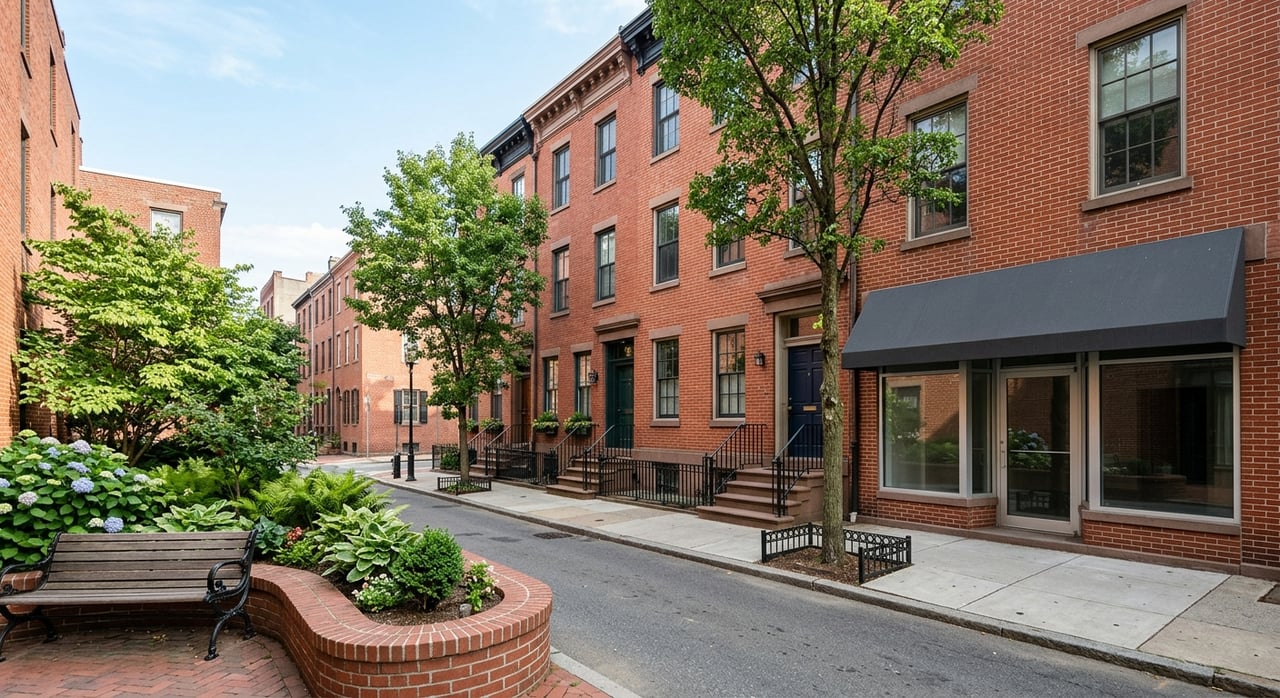
Wondering what it actually feels like to live in Hampden day to day? If you are looking for a Baltimore neighborhood with local shops, green space, and historic housing, Hampden stands out for its walkable streets and strong sense of place. From morning coffee runs to evenings on The Avenue, this guide will help you picture everyday life in one of Baltimore’s most recognizable neighborhoods. Let’s dive in.
Hampden has a distinct city rhythm
Hampden began as housing for workers connected to the Jones Falls mills, and the neighborhood evolved again in the 1990s as artists put down roots. That layered history still shows up today in the way old rowhouse blocks meet independent storefronts, street art, and busy sidewalks.
At the center of daily life is West 36th Street, better known as The Avenue. Visit Baltimore and the city’s Hampden Business Area plan both describe this corridor as a neighborhood retail district built around walking, shopping, dining, and pedestrian activity. In practical terms, that means many of the places you may want to visit are close together and easy to experience in one outing.
The Avenue shapes daily life
One of Hampden’s biggest draws is how much activity is packed into a compact area. The neighborhood merchants association says Hampden supports more than 140 small businesses, and Visit Baltimore describes the area as mostly independent and locally owned.
That matters if you want a neighborhood that feels personal instead of predictable. The mix includes cafes, restaurants, bars, books, vintage, art, home decor, vinyl, jewelry, shoes, and everyday services, so a simple walk can turn into coffee, errands, browsing, and dinner without much planning.
Mornings start with coffee and foot traffic
Hampden has a strong morning routine, especially around its coffee spots. Places noted by Visit Baltimore include Common Ground Cafe Cooperative, Catalog Coffee, Artifact Coffee, and Good Neighbor.
For residents, that helps create a neighborhood feel early in the day. You are not just driving in and out. You are more likely to see people out walking, stopping for coffee, and moving through the same few blocks that define the area’s daily pace.
Afternoons are built for browsing
By midday, Hampden leans into shopping and casual exploring. Visit Baltimore highlights businesses like Atomic Books, Bazaar, Charlotte Elliott & The Bookstore Next Door, doubledutch Boutique, and Baltimore In A Box as part of the neighborhood mix.
This variety gives Hampden an eclectic feel. Instead of one dominant retail type, you get a blend of books, vintage finds, gifts, and design-driven shops that keep the corridor active throughout the day.
Evenings feel lively but local
As the day shifts, the neighborhood’s energy changes with it. Visit Baltimore points to evening destinations such as The Food Market, La Cuchara, The Bluebird Cocktail Room, The Duchess, Union Craft Brewing, and The Charmery.
That range makes it easier to imagine a full day close to home. Whether you want dinner out, dessert, or a casual place to meet friends, the neighborhood offers several options within a relatively small area.
Community events add identity
Hampden’s appeal is not limited to its storefronts. Recurring events like Hampden Highlights and the 34th Street holiday lights tradition help give the neighborhood a visible public identity beyond regular business hours.
For someone thinking about moving here, that can make a real difference. A neighborhood with traditions and recurring events often feels easier to get to know because its public life is more visible throughout the year.
Parks bring balance to urban living
Hampden may be known for shops and restaurants, but its access to parks is an important part of everyday life too. If you want an urban setting that still gives you room to get outside, this neighborhood has several nearby options.
Roosevelt Park is close to The Avenue
Roosevelt Park sits just off the west side of Hampden’s shopping district and covers 18 acres. According to Baltimore City Parks, it includes a skate park, pool, playground, ball fields, recreation center, and an urban garden or city farm area.
That is a wide range of uses for one neighborhood park. It offers a practical outdoor option close to the business district, whether you are looking for recreation space, a playground, or simply a change of pace from the storefront blocks.
Wyman Park Dell adds more green space
Nearby Wyman Park Dell gives Hampden another public park option. The Friends of Wyman Park Dell describe it as a 16-acre park with winding paths, lawns, benches, a playground, and community events.
The National Park Service also notes that it sits within the larger 88-acre Wyman Park, part of Baltimore’s broader park system. For daily life, that means Hampden is connected to more than just one small green space. You have access to a larger network of outdoor areas nearby.
Trails and scenic connections matter
Visit Baltimore also places Hampden near scenic Wyman Park and the Jones Falls Trail. That expands the neighborhood’s outdoor appeal beyond its own immediate blocks.
If you value walkability and park access together, this combination is a strong part of Hampden’s character. You can enjoy a street-oriented neighborhood while still being close to trails and open space.
Rowhouses define the residential feel
Hampden’s residential identity is closely tied to Baltimore’s rowhouse tradition. Baltimore’s historic preservation guidelines state that the rowhouse has dominated the cityscape since the late eighteenth century, and Baltimore Heritage notes that Hampden’s homes often reflect the shorter, working-class rowhouse type found on older city blocks.
For buyers, that often translates into attached brick homes, narrow lots, and a streetscape that feels distinctly urban and historic. Even if you first visit Hampden for its businesses, the residential blocks are a major part of what gives the neighborhood its long-term character.
The housing fabric feels preserved
Baltimore Heritage’s Hampden-Woodberry walking tour materials document the neighborhood’s history block by block. That helps reinforce the idea that Hampden is not just a shopping district with homes nearby. It is a place where the residential streets are part of the experience.
When you walk beyond The Avenue, you can see how the neighborhood’s older housing stock shapes its personality. The appeal comes from the combination of active commercial streets and a recognizable historic built form.
Who may feel at home in Hampden
Based on the current business mix, park access, and housing stock, Hampden may especially appeal to buyers who value walkability, local businesses, green space, and historic housing. The research also suggests it may be a fit for someone looking for a first city home or a character-filled rowhouse in an active urban setting.
Of course, every move is personal. What matters most is whether the neighborhood’s pace, housing style, and daily conveniences match how you want to live.
What everyday life in Hampden really offers
At its core, Hampden offers a mix that can be hard to find in one place. You get a neighborhood retail district centered on walking, a wide range of independent businesses, access to parks and trails, and a residential setting shaped by historic rowhouses.
If that combination sounds like the kind of lifestyle you want, it helps to explore the neighborhood with both your practical needs and your daily routine in mind. Think about where you would grab coffee, how often you would use the parks, and whether the rowhouse streetscape feels like home to you.
If you want help exploring Hampden or comparing it with other Baltimore neighborhoods, Jennifer Bayne can help you find the right fit with clear, local guidance.
FAQs
What is everyday life like in Hampden, Baltimore?
- Everyday life in Hampden centers on walkable blocks, independent shops and restaurants, nearby parks, and historic rowhouse streets.
What is The Avenue in Hampden?
- The Avenue is West 36th Street, the neighborhood’s main retail corridor known for shopping, dining, and pedestrian activity.
What kinds of businesses are in Hampden?
- Hampden includes more than 140 small businesses, with cafes, restaurants, bars, bookstores, vintage shops, art, home decor, vinyl, jewelry, and services.
What parks are near Hampden in Baltimore?
- Roosevelt Park, Wyman Park Dell, scenic Wyman Park, and the Jones Falls Trail all contribute to Hampden’s access to outdoor space.
What are Hampden rowhouses like?
- Hampden rowhouses are typically attached brick homes on narrow lots, reflecting the neighborhood’s older working-class residential history.
Is Hampden a walkable Baltimore neighborhood?
- The city’s planning framework and the neighborhood’s business district both support describing Hampden as a compact, street-oriented, walkable area.